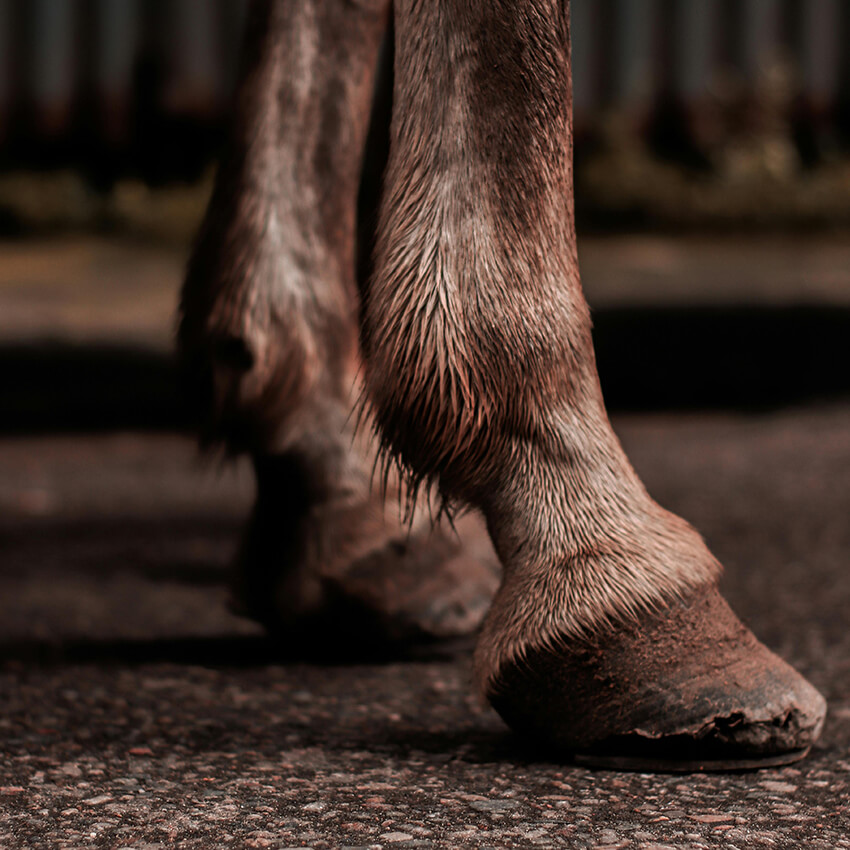

Laminitis is one of the most serious and painful conditions affecting horses and ponies, causing severe foot pain, long-term disability, and, in some cases, euthanasia. While high insulin levels are known to increase risk, they cannot reliably predict which individual animals will go on to develop laminitis, leaving a critical gap in prevention and early intervention.
Growing evidence points to the gut microbiome—the complex community of bacteria in the digestive system—as a potential missing link. Influenced by diet, stress, medication and management, changes in the microbiome may play an important role in metabolic health and laminitis development. This project draws on unprecedented microbiome data and a unique biobank of pony samples to explore whether microbial “fingerprints” can provide earlier, more accurate insight into laminitis risk and support better-targeted prevention strategies.
The team behind the science
This multidisciplinary project brings together leading experts in equine health, microbiomes, nutrition, and data science:
- Dr Laura Peachey – Bristol Vet School (Principal Investigator — Equine Microbiomes)
- Dr Pat Harris – Waltham / Mars (Equine Nutrition & Microbiomes)
- Dr Pippa Morrison – Scotland’s Rural College (Equine Microbiomes)
- Dr Kate Allen – Bristol Vet School (Equine Medicine)
- Dr Andrew Dowsey – Bristol Vet School (Data Science)
- Imogen Comyn – Bristol Vet School (Equine Medicine)
Together, they are uniquely positioned to tackle a problem that spans biology, clinical medicine, and computational analysis.