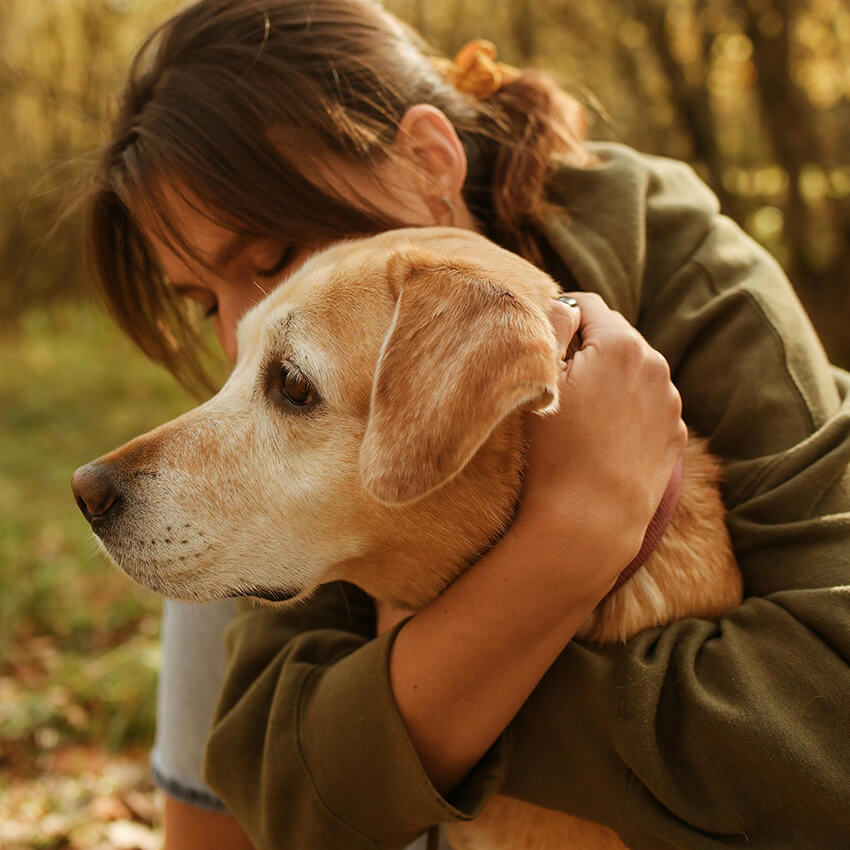

Meningoencephalitis of Unknown Origin (MUO) is a devastating inflammatory brain disease in dogs that is frequently fatal. Current treatments rely on broad immunosuppression, yet around one-third of affected dogs die within three months. Diagnosis is largely presumptive, and the underlying cause of the disease remains unknown.
This project aims to define the immune mechanisms driving MUO by analysing cerebrospinal fluid (CSF) from affected dogs. Using advanced immune profiling techniques—including flow cytometry, cytokine analysis, and T-cell receptor sequencing—we will identify the cellular and molecular signatures that characterise MUO. These insights will support more accurate diagnosis, help predict treatment response, guide future therapy development, and may also inform understanding of related human neuroinflammatory diseases such as multiple sclerosis.
The team behind the science
Professor Linda Wooldridge, Chair in Translational Immunology, University of Bristol
Dr Angela Fadda, Senior Clinician in Neurology, Langford Vets
Dr Nicolas Granger, Senior Research Fellow, Royal Veterinary College
Dr Tom Harcourt-Brown, Senior Clinician, Langford Vets
Dr Emily Milodowski, Wellcome Trust GW4-CAT Fellow, University of Bristol
Dr Mark Willis, Neurology Registrar, Cardiff University
PhD Student: Sam Raettig, University of Bristol Veterinary School
This interdisciplinary team brings together leading expertise in veterinary neurology, translational immunology, molecular profiling, and clinical research.
What the project entails
This project aims to uncover the immune mechanisms underlying MUO in dogs to improve diagnosis, prognosis, and treatment. Over three years, CSF samples will be collected from dogs with MUO and from control dogs at diagnosis and during follow-up, alongside detailed clinical outcome data. Using advanced statistical and machine-learning approaches, we will identify immune cell and T-cell receptor signatures that distinguish MUO, track how immune responses change during treatment, and link immune profiles to survival, treatment response, disease subtype, breed, and clinical presentation. The ultimate goal is to deliver clinically relevant immune biomarkers that enable more precise and effective care for dogs with MUO.
Why donor support matters
MUO is a life-threatening condition with limited diagnostic and treatment options, leaving many dogs and their owners facing uncertainty and poor outcomes. Donor support is essential to enable this research and its impact:
For dogs: Earlier diagnosis, improved prognostic tools, and more targeted treatment strategies
For veterinary medicine: A step change in understanding neuroinflammatory disease and a foundation for future targeted therapies
For science: A naturally occurring model that can inform human autoimmune brain diseases, including multiple sclerosis
Supporting this project means directly improving outcomes for dogs affected by MUO today, while helping to shape the future of veterinary neurology and translational neuroimmunology.