
This PhD project investigates whether apple pomace—an underused by-product of cider and juice production—can be repurposed as a sustainable livestock feed to reduce food waste and greenhouse gas emissions. The research is part of the EPSRC-funded DECIDE (Digital Equitable Circular Food Systems) project, which aims to improve circularity across the UK apple supply chain through a digital hub.
Apple pomace contains nutrients and compounds that may help reduce methane emissions from cattle, a major source of agricultural greenhouse gases. Laboratory studies will analyse pomace from different UK apple varieties for nutritional value, digestibility, and methane production during fermentation. Even if direct methane reductions are limited, using locally sourced pomace could still lower emissions by reducing feed production, transport, and apple waste disposal.
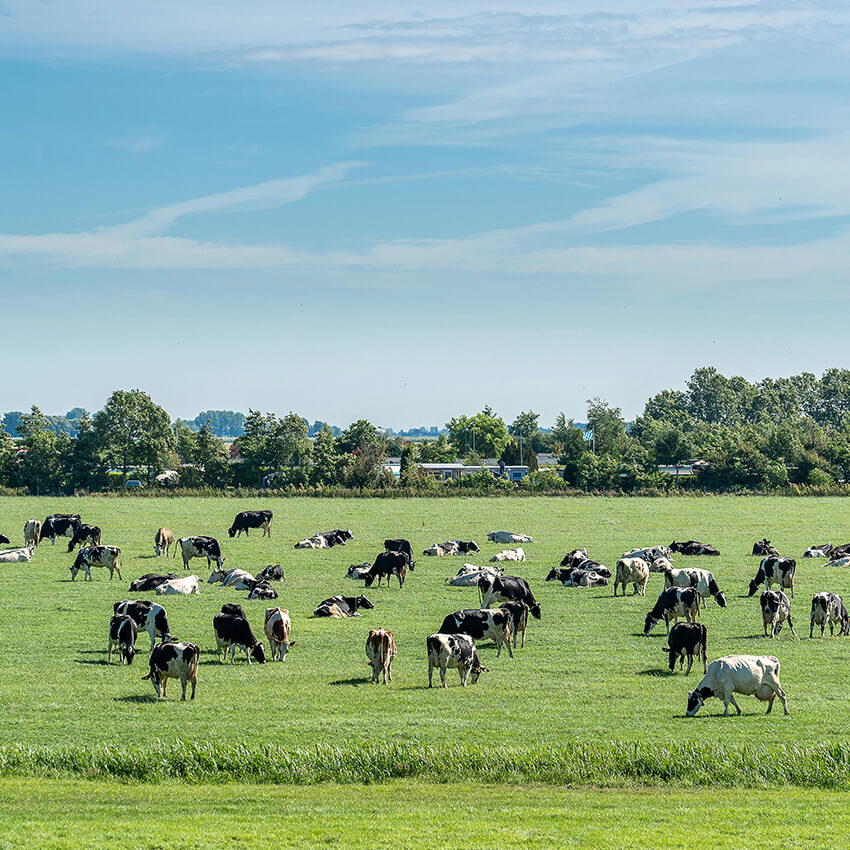
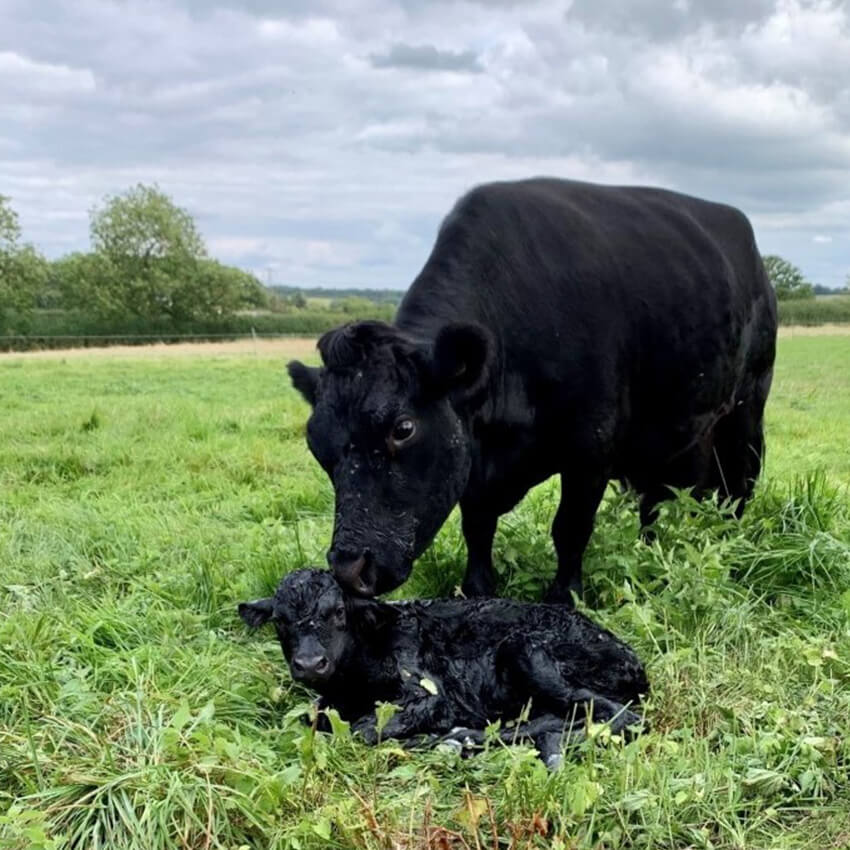
The Langford Trust is providing funds to support a farm-based trial with dairy heifers at Langford to assess the real-world effects of apple pomace on methane emissions, animal health, and performance, using specialist methane-monitoring equipment.
The project also explores farmer and consumer perspectives, assessing practical barriers to adoption and public support for circular farming practices. Overall, it aims to show how turning waste into feed can benefit the environment, farmers, and the wider food system.
The team behind the science
Divya Sasi, PhD student, University of Bristol Veterinary School
Dr Daniel Enriquez-Hidalgo, Senior Lecturer in Sustainable Dairy Production, University of Bristol Veterinary School
Dr Jenna Bowen, Senior Research Associate, University of Bristol Veterinary School
Dr. Selina Bruns, Lecturer in Sustainable Food, University of Bristol Veterinary School
Lucy McCarthy, Reader in Management, University of Bristol Business School
Project aims
This project aims to understand whether apple pomace can be realistically and widely used as a feed for livestock as part of a more circular food system. It will explore how effective apple pomace is at reducing methane emissions, how it affects animal health and performance on farms, and how willing farmers and consumers are to support its use. Overall, the project seeks to provide practical evidence on how turning apple waste into animal feed can benefit the environment, farmers, and the wider food system.
Why this project matters
This project addresses food waste and climate change by investigating how apple pomace, an underused by-product, can be safely reused as a livestock feed to reduce methane emissions while maintaining or improving cattle health and performance.
By generating evidence from both laboratory and farm settings, the research will support farmers, feed producers, and apple processors in adopting circular practices that benefit the environment without compromising animal welfare. The findings have the potential to lower production costs, create new value from waste, inform policy, and contribute to UK and global sustainability goals.