
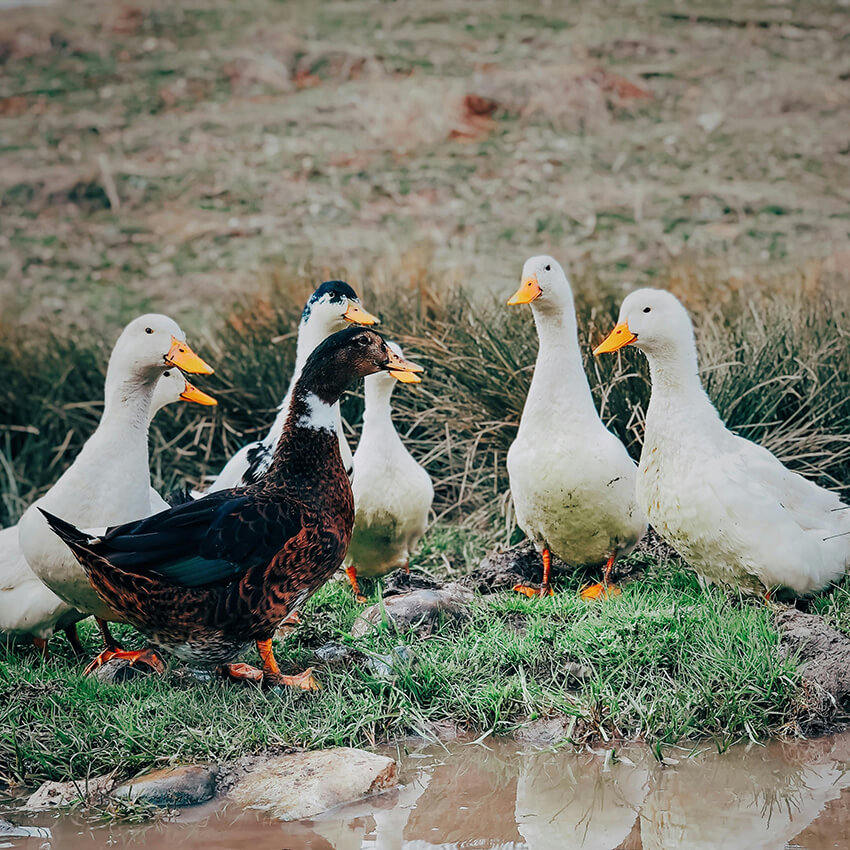
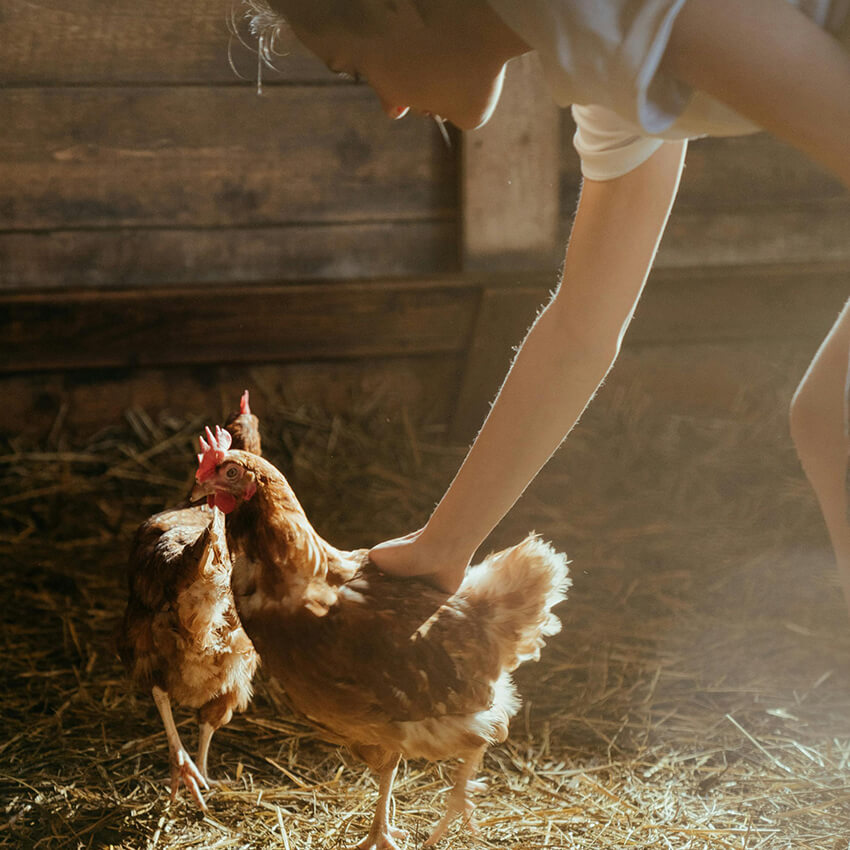
Poultry, wild, and captive birds are vital to UK food production, biodiversity, and conservation efforts. Some birds can carry mycobacteria, bacteria that cause chronic disease which may spread unnoticed while affecting health. Currently, little is known about how common these infections are, their impact on bird welfare, or how the avian immune system responds. This pilot project will examine birds submitted for routine post-mortem to identify mycobacterial species, their distribution in the body, and how they are shed. Findings will improve understanding of avian mycobacterial disease, guide veterinary care, support conservation decisions, and provide a foundation for larger studies.
Research team
This study will be conducted by Benedetta Amato, Lecturer Veterinary Pathology, University of Bristol Vet School
Project aims
The project aims to advance understanding of avian mycobacterial infections in backyard poultry, waterfowl, and wild birds. It will identify which mycobacterial species are present, characterise their effects on the body and immune response, and determine how bacteria are excreted via respiratory and digestive routes. The study will also investigate latent infections, including potential bacterial reservoirs in bone marrow, to understand how birds may carry the disease without visible signs. Combining post-mortem examinations, histology, immunohistochemistry, and PCR testing, the project will uncover both clinical and subclinical infections to support better diagnosis, surveillance, and disease management.
Why this project matters
This project matters because significant gaps remain in understanding mycobacterial infections in UK backyard poultry and wild birds, limiting effective surveillance, diagnosis, and risk assessment for livestock, conservation, and public health. By generating the first integrated UK dataset on disease epidemiology, immune responses, and pathogen species, this multidisciplinary study will provide essential evidence to improve diagnostics, inform One Health policy, and support stakeholders including Defra, APHA, and conservation organisations. As a seed-corn initiative, it will also lay the foundation for larger-scale research programmes with relevance across animal and human health.