Development of a safe, sustainable source of feline red blood cells
Anaemia—a shortage of red blood cells—is a serious condition affecting many cats, with up to 1 in 4 screened cats showing some form of the disorder.
It can be caused by blood loss, chronic illness, immune system problems, or inherited conditions, and because catsʼ red blood cells naturally have a shorter lifespan than humansʼ, they can deteriorate quickly when sick.
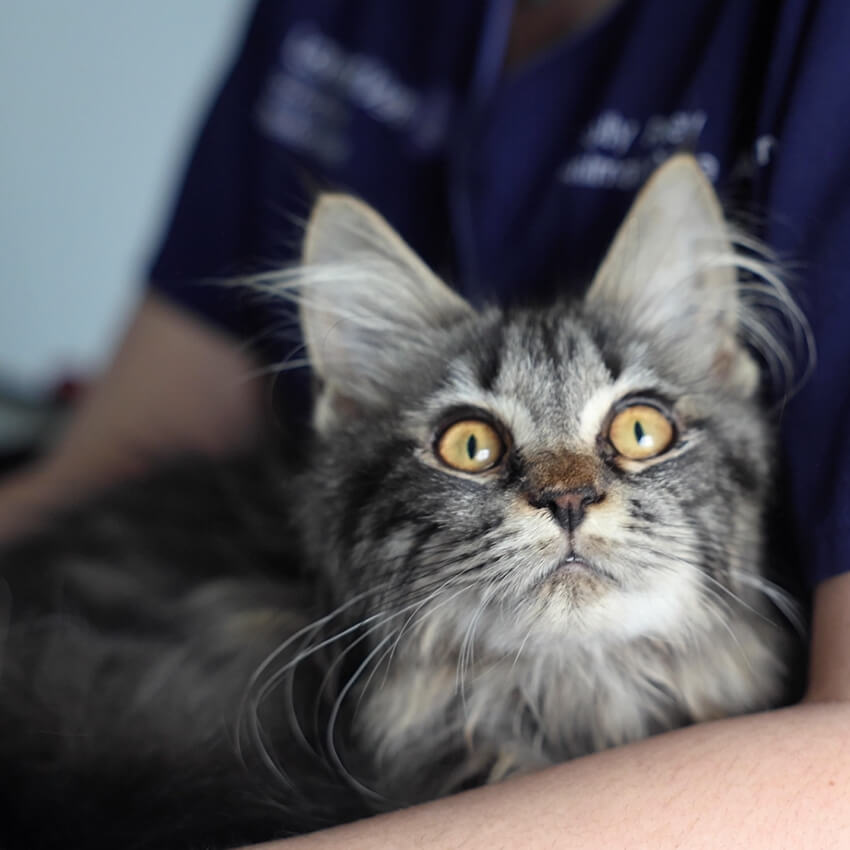
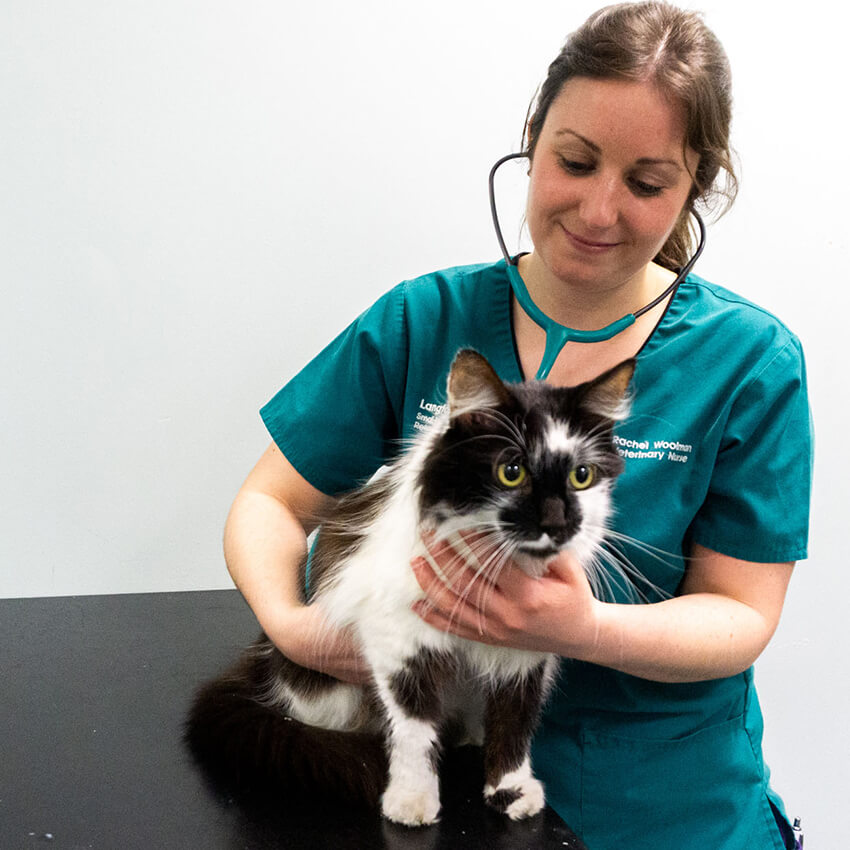
For cats with life-threatening anaemia, transfusions are often the only option. But unlike dogs, the supply of cat blood is extremely limited. Current regulations mean fresh donations are required, and donors must be carefully screened and kept still for up to half an hour during collection—a stressful and sometimes risky process. These constraints make it very difficult to meet the demand.
In the past, some cat transfusions relied on dog blood (xenotransfusions), but this carries serious risks, including severe immune reactions and the inability to repeat transfusions safely.
This project aims to develop a safe, sustainable source of feline red blood cells. Early research shows this is feasible, and with further support, this breakthrough could save thousands of cats each year by allowing repeatable, safe transfusions and dramatically improving care for cats with anaemia.
The team behind the science
A specialist research team at the University of Bristol will lead the work from the school of Biochemisty and Biomedical Science and Bristol veterinary school.
- Prof Jan Frayne, School of Biochemistry, University of Bristol
- Dr Natalie Finch, Langford Vets, Bristol Veterinary School
- Dr Debbie Daniels, School of Biochemistry, University of Bristol
- Vicki Black, Langford Vets, Bristol Veterinary School
What the project entails
Creating a continuous supply
We aim to develop a lab-grown source of feline red blood cells, enabling safe, repeatable transfusions without relying on donors.
Adapting Human Breakthroughs
Building on human research, we use immortalised erythroid cells—blood stem cells engineered to divide indefinitely—to produce large volumes of red blood cells. We are adapting this approach to create a similar immortalised cat cell line.
Optimising Cat Stem Cell Cultures
Cat blood stem cells differ from humans, so we have optimized isolation procedures and have shown they can be matured in culture to red blood cells.
Immortalising and Banking Cells
Early-stage cat erythroid cells will be immortalised to allow continuous growth and can be frozen for long term use in transfusions.
Fine-Tuning and Validation
We will adjust culture conditions to match feline-specific maturation needs and fully characterise the cells to ensure they function like natural cat red blood cells.
Why donor support matters
With your support, this project holds the potential to turn a proven human blood-cell manufacturing technology into a lifesaving solution for cats.
By making a donation to the Trust, you help bring advanced laboratory techniques into veterinary medicine—creating a steady, donor-independent supply of fully mature feline red blood cells and making safe, repeatable transfusions possible for cats with life-threatening anaemia.
Every gift brings hope—and gives cats a second chance at life.