

The Langford Trust for Animal Health and Welfare is delighted to welcome new pilot research that may mark another important milestone in the search for better treatments for horses affected by trigeminal-mediated headshaking (TMHS).
Led by Dr Veronica Roberts from the University of Bristol's Veterinary School, the pioneering study is the first equine clinical trial to investigate an innovative, non-invasive pain management technique for horses living with this debilitating neurological condition. While further research is needed, the initial findings may represent an encouraging step forward for horses, owners and veterinary professionals who have long faced limited treatment options.
Clinical research study funded by the Langford Trust
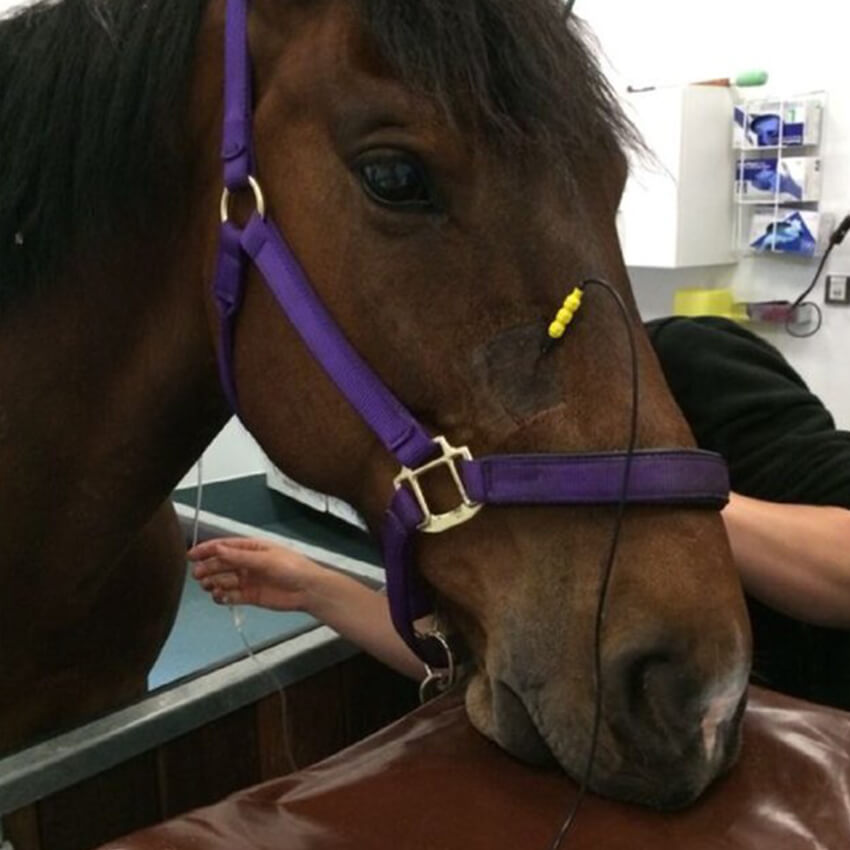
A grant of just over £8,000 from the Langford Trust is funding a pilot study to trial the efficacy and tolerance of transcutaneous pulsed radiofrequency treatment for horses with trigeminal-mediated headshaking. Transcutaneous pulsed radiofrequency (TcPRF) is a non-invasive method of pain management currently used in people.
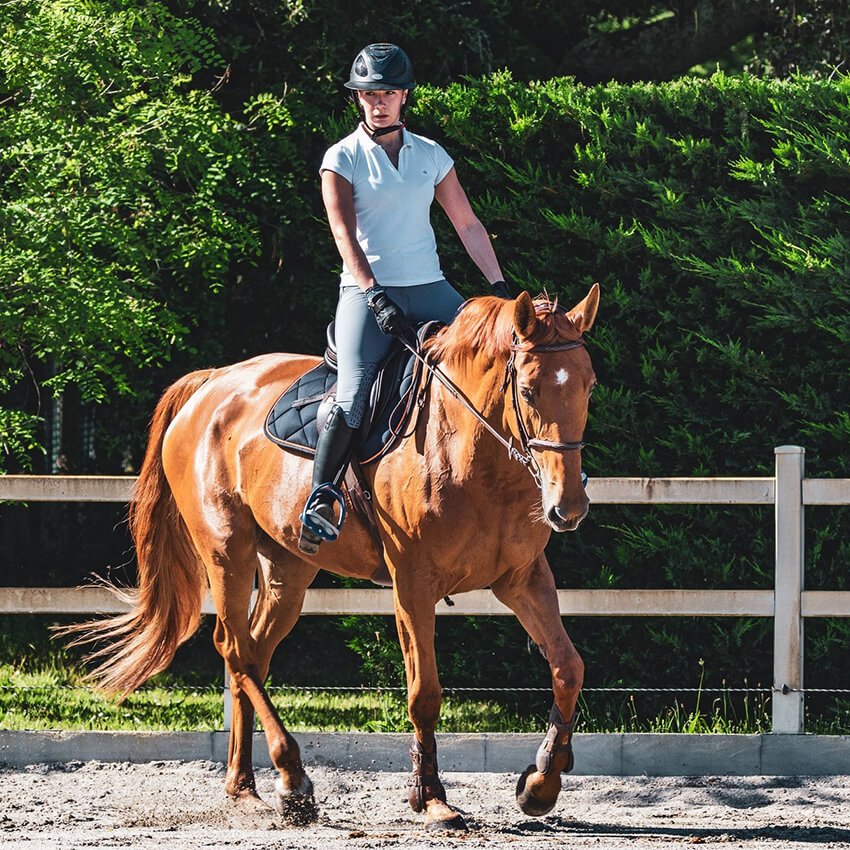
Trigeminal-mediated headshaking is one of the most challenging conditions encountered in equine practice. Thought to result from abnormal activity of the trigeminal nerve, affected horses can experience sudden, involuntary head movements, nose rubbing and signs of facial pain that can severely compromise their welfare, performance and quality of life.
The study brings together a multidisciplinary team of experts, including Dr Kirstie Pickles (Harper Keele Vet School), Professor Jane Williams (Hartpury University), independent equine scientist Dr David Marlin of Animalweb, and consultant neurosurgeon Mr Nik Patel. Together, they explored whether a novel, non-invasive pain management technique could provide a safe new treatment option for horses affected by the condition.
The Langford Trust has proudly supported Dr Roberts' research into trigeminal-mediated headshaking since its earliest stages, recognising both the devastating impact of the condition and the urgent need to improve treatment options through scientific research.
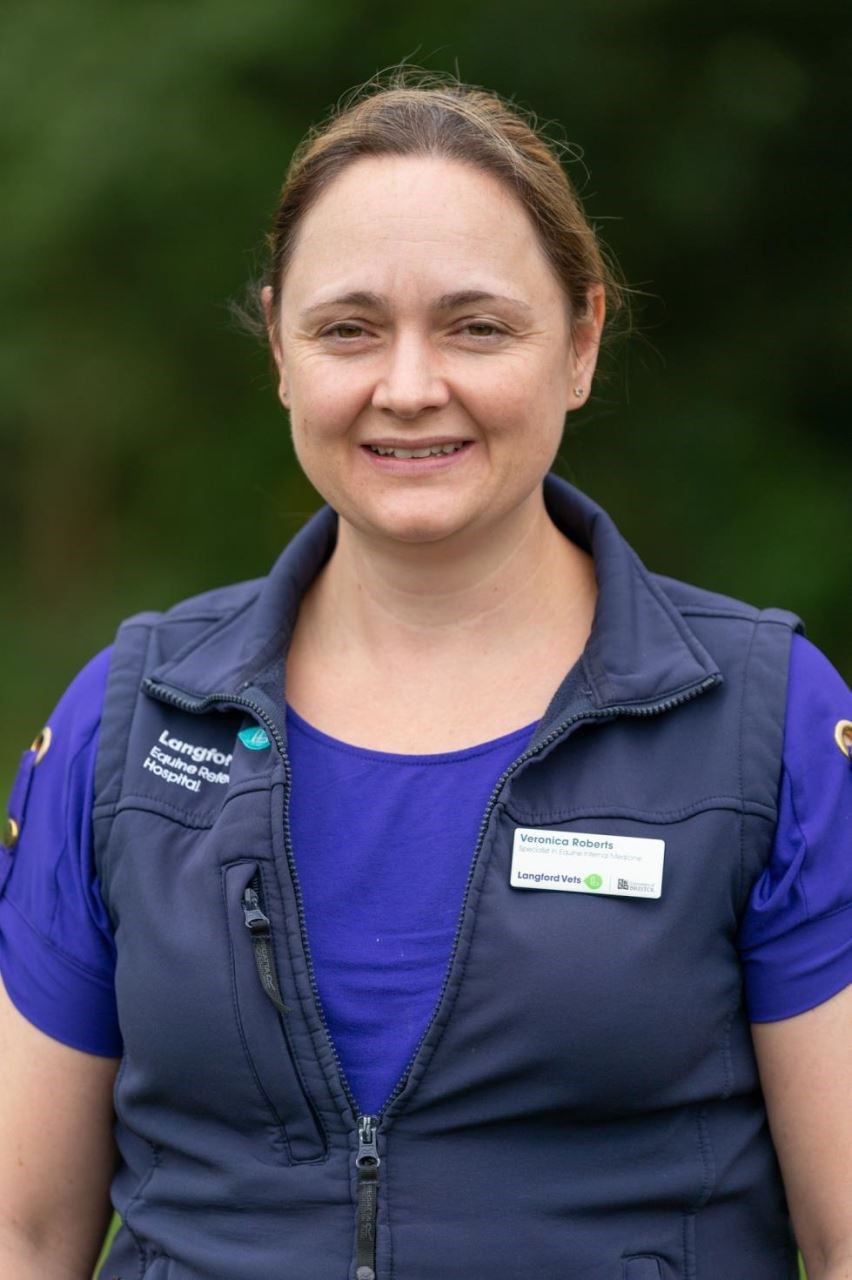
Trigeminal-mediated headshaking is an incredibly frustrating condition for owners and veterinary surgeons alike because, despite years of research, there is still so much we don't understand. Our early findings are encouraging and provide another piece of the puzzle. They help guide us towards developing more effective treatments that could improve the welfare of horses living with this distressing condition. We are enormously grateful to the Langford Trust and its supporters, whose continued belief in this research has enabled us to keep moving the science forward.
Recruitment for clinical study
Researchers work with veterinary colleagues and horse owners across the UK to identify horses suitable for inclusion in the study. Careful patient selection is essential to ensure the research provides robust scientific evidence and meaningful results.
Assessments and treatment
Eligible horses undergo the innovative non-invasive treatment being investigated by the research team. The procedure aims to explore whether targeted pain management can safely reduce the clinical signs associated with trigeminal-mediated headshaking and improve quality of life.
Monitoring recovery and data collection
Following treatment, horses will continue to wear the monitoring equipment while owners record their observations. Combining objective data from the accelerometer with owner feedback allows researchers to evaluate changes in symptoms over time and assess the effectiveness of the treatment.
Write up and publication
Researchers will analyse the findings, interpret the results and prepare the study for publication in a peer-reviewed scientific journal. The knowledge gained will help shape future research and bring the veterinary profession one step closer to developing more effective treatments for horses living with trigeminal-mediated headshaking.
The Trust is committed to supporting research that advances veterinary medicine and improves the lives of animals. This latest study is an important step on that journey, but there is still much more to learn. Following the analysis, interpretation and publication of the data in early 2027, Dr Veronica Roberts plans to establish further research. Continued support from donors will help us move closer to delivering new treatment options for horses living with trigeminal-mediated headshaking.
.
Help fund the next stage of research
If you would like to support this work you can donate via website or contact the team on 07986 537302.
Thank you for making a difference to equine health.
More details...
You can read more on the clinical trial and its findings in the recent feature published by Animalweb.